New Tech Birth
A product can be technically sound and still miss its moment. The Xerox Alto, built around 1973, paired a graphical interface with networking, laser printing, and a mouse-driven screen years before those features became familiar at home. The Computer History Museum records that Ethernet was developed for the Alto system, while its software included a word processor, drawing tools, and email. Its problem was not a lack of ideas; the machine belonged to a costly research environment rather than an ordinary household.
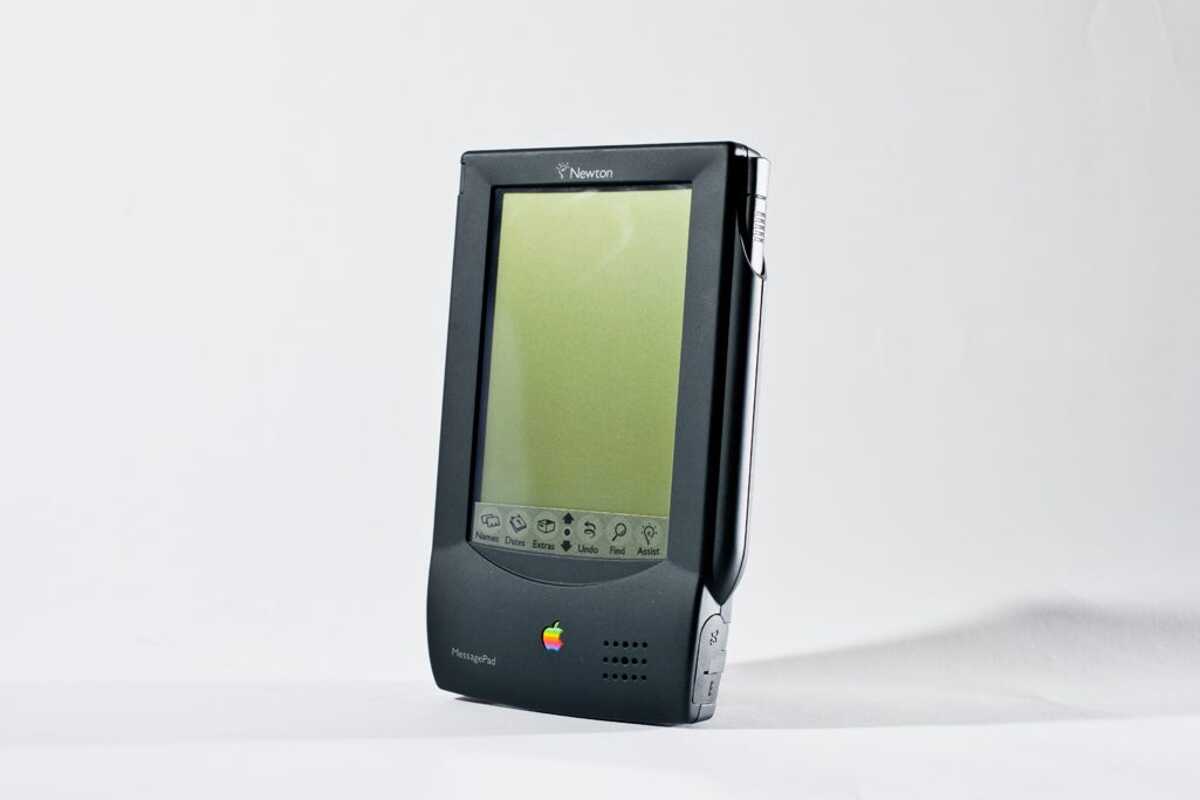
Apple's Newton MessagePad arrived in 1993 as a pocket computer with pen input and handwriting recognition. It anticipated several habits later associated with phones, yet early recognition errors damaged confidence. NASA material on Motorola's Iridium plan described 66 low-orbit satellites, service aimed for 1998, and a projected system cost above $3 billion; a 1994 NASA technical report by General Dynamics projected subscriber charges near $6 per minute. These figures show how a grand idea can collide with launch expense and an unfamiliar buying model.
“Too soon” therefore means more than a product arriving before competitors. It describes a mismatch among capability, price, reliability, supporting networks, regulation, and everyday routines. A clever device may need a broadband connection, a large app catalog, a payment habit, or a social norm that does not yet exist. The concept can survive in later products even when the first commercial version does not.
Why Timing Fails
The first obstacle is dependency. A connected service needs coverage, compatible hardware, identity systems, and enough participants to create useful activity. Iridium could reach remote areas through satellites, but its handsets were costly, bulky by ordinary mobile-phone standards, and expensive to operate. A technically impressive network could not imitate the convenience of a cheap terrestrial call.
Price creates a second barrier. Research machines can justify unusual expense because a university or laboratory values experimentation. A consumer product must earn a place beside rent, food, and familiar substitutes. The Alto's research features were easy to admire in a lab; asking a family to fund a networked workstation, printer, and support arrangement would have required a different proposition.
Reliability and social fit matter just as much. Handwriting recognition turns a pen into a burden if the user must correct every line. A wearable display can function in a demonstration yet feel awkward in public, raise privacy concerns, or lack a task worth doing all day. Early adopters may tolerate friction, but a broad audience reads repeated friction as a reason to return the product.
Timing also depends on language. A company may describe an invention by its internal architecture rather than the job it completes. “Satellite constellation” sounds grand, while “make a call from a remote work site” names a real need. Clear positioning cannot fix a bad cost structure, but vague positioning can hide a good one until the market has moved on.
How To Judge Readiness
Map The Dependencies
List everything the buyer needs beyond the box: coverage, chargers, compatible files, subscriptions, repair, training, privacy controls, and other users. Mark each dependency as ready, partial, or absent. The Alto depended on a research lab with shared printers and network links; a home buyer in 1973 would have faced a very different setup. This map reveals the gap between a working prototype and a usable product.
Measure The Daily Friction
Count the actions required for the main job, then test the awkward steps with representative users. A pen computer that recognizes nine out of ten words may still frustrate someone writing a long address if every error interrupts the task. Record correction time, battery changes, setup failures, and moments when a user reaches for an older substitute. Small observations beat a glossy demonstration because they expose the repeated cost of adoption.
Test The Economic Fit
Compare the full first-year cost with the problem's frequency and severity. Include hardware, service fees, training, accessories, data charges, and downtime. NASA's Iridium material described a system costing well above $3 billion, and the same 1994 NASA technical report projected roughly $6 per minute for subscribers. Such numbers can make remote connectivity rational for emergency or industrial work while making casual personal calls unrealistic.
Find The Narrow Wedge
Start with the group that suffers most from the unsolved problem and can absorb the friction. A remote field crew may value satellite reach more than a city commuter does. A design studio may value a networked graphical workstation before a household does. Define one job, one buyer, and one success measure, such as fewer missed service visits or less time moving files. A narrow wedge creates evidence before a company spends on mass distribution.
Case Examples
Consider an anonymized design department in 1975. Its staff receives access to Alto workstations, shared laser printing, and electronic messages. They gain faster editing and new ways to exchange diagrams, but the department must fund specialist support and a local network. The experiment succeeds as a learning environment, not as a cheap office replacement. Years later, lower-cost personal computers and common networks make similar interactions familiar.
Now consider a survey contractor working far from cellular coverage in 1998. An Iridium handset could be justified for safety check-ins, yet a $6-per-minute service charge would discourage routine conversations. The contractor uses short scheduled calls and a written fallback plan. The service is useful for a narrow risk, but the same purchase makes little sense for a household expecting mobile convenience.
These examples separate capability from fit. Neither buyer needs to decide that the underlying idea was foolish. The first needs a mature support environment; the second needs a high-cost link only at certain moments. A later product can win by reducing setup, price, or friction without inventing the original concept.
Decision Checklist
Use this checklist before buying or backing an early product. A “no” answer does not prove failure, but several “no” answers signal that patience or a smaller pilot may be wiser.
- Need: Is there a recurring problem that the product solves better than a familiar substitute?
- Dependencies: Are coverage, compatible services, repairs, updates, and other users available where the product will operate?
- Friction: Can a typical user complete the main task without repeated corrections, special training, or awkward public behavior?
- Economics: Does the total first-year cost match the frequency and consequence of the problem?
- Fallback: Is there a safe way to continue working if the service fails, closes, or becomes too expensive?
- Pilot: Can you test the narrowest useful job with a time limit and a written success measure?
For a business, add an exit rule before signing a long contract. For a household, check repair terms, data handling, and resale prospects. A small pilot turns enthusiasm into observed evidence and limits the cost of being early.
Common Mistakes
People often confuse novelty with readiness. A product may look unlike anything else and still lack a repeatable job. Ask what happens on an ordinary Tuesday, not only during a launch demonstration.
Another error is judging the first version by its future reputation. The Alto's influence does not erase the cost of its original environment, and later mobile devices do not make Newton's early handwriting experience frictionless in retrospect. Evaluate the actual unit, service, and date under review.
Buyers also ignore the support chain. A device with no replacement battery, compatible files, repair route, or export path may become a stranded purchase even if its core feature works. Before paying, identify the exit route and save needed data in an open format.
Finally, reviewers can overvalue a loud community of enthusiasts. Early users are useful sources of edge cases, but they are not a random sample. Ask less committed users to complete the main task, measure their time and errors, and record what they choose after the trial ends.
FAQ
What does “too soon” mean?
It means the core idea arrived before its surrounding price, infrastructure, reliability, habits, or social acceptance made regular use practical.
Was the Xerox Alto a commercial failure?
The Alto was mainly a research workstation, so its lasting value lies in the interfaces and network ideas it demonstrated rather than mass household sales.
Why did early handwriting devices struggle?
Recognition errors interrupted a task people could already complete quickly with a keyboard, so the pen added correction work before it added enough convenience.
Can an expensive early service still make sense?
Yes. A costly connection may suit emergency crews or remote operations when its reach prevents a larger loss, even though it is poor value for casual use.
How should I test an early product?
Choose one recurring job, use the product with an ordinary user, count setup and correction time, and set a spending or exit limit before the trial.
Author's Insight
The history of early inventions rewards a two-part judgment: ask if the mechanism works, then ask if the surrounding system makes it livable. The Alto shows that a research setting can absorb cost and complexity long before households can. Newton shows how a good interaction idea loses trust when its error rate is visible on every line. Iridium shows that coverage can be a scarce service whose price changes the buyer's definition of “useful.” The practical lesson is to judge timing as a system property, not as a verdict on one clever device.
Key Takeaways
Ahead-of-market products often fail at the edges: price, support, habits, reliability, or access. Look for the exact dependency that blocks ordinary use, and test the smallest job for the clearest audience. If the core benefit remains strong after you count corrections, service fees, repairs, and fallback plans, an early purchase may be sensible. If not, waiting can be a rational decision rather than a rejection of the idea.