Oxygen-Free Survival Basics
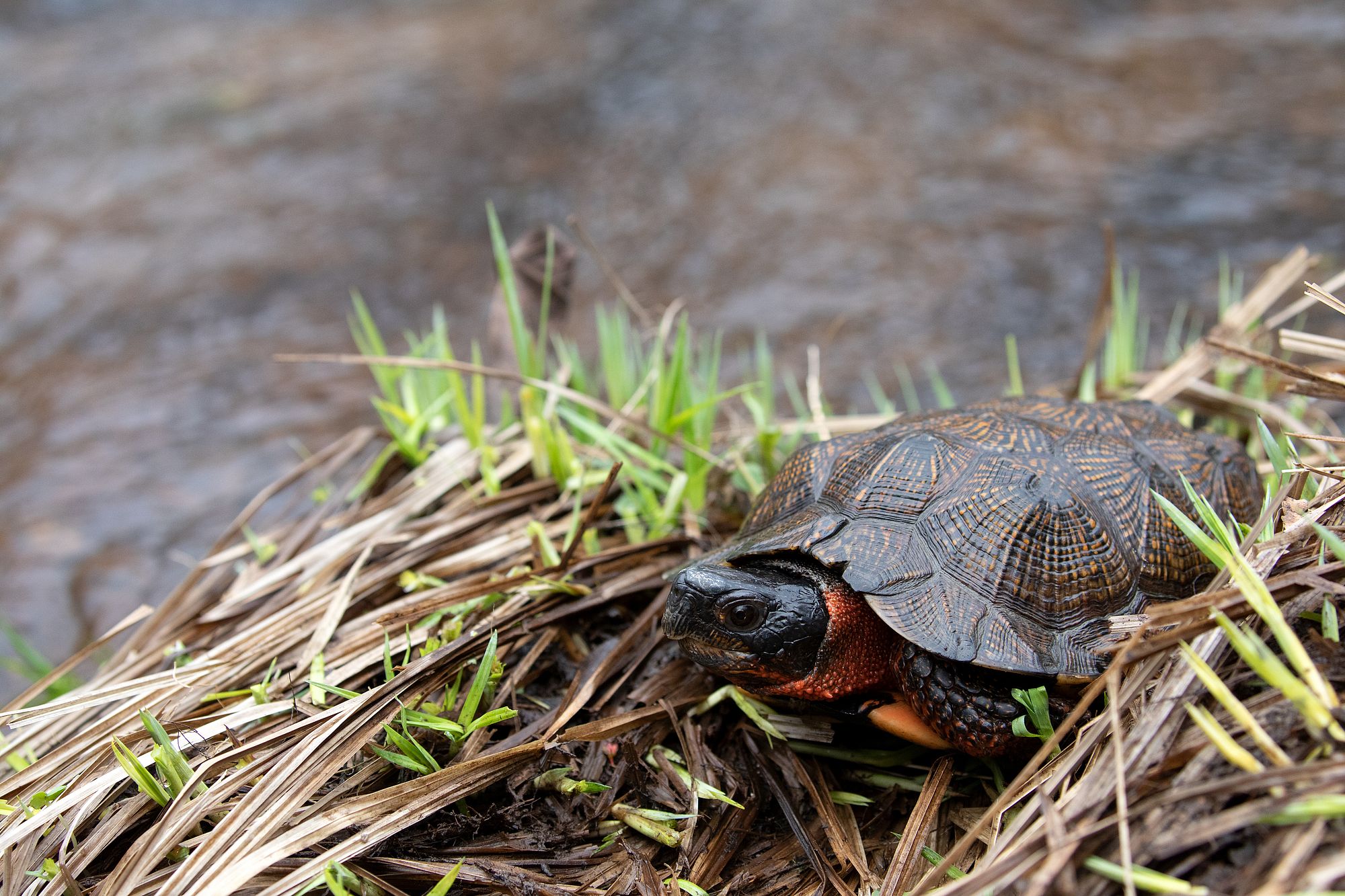
“Without oxygen” usually describes a period when an animal’s tissues receive too little oxygen to support normal aerobic metabolism, not a permanent state of zero oxygen everywhere. Many species switch to anaerobic pathways, slow their metabolism, or store energy so they can keep critical processes running. A classic example is the freshwater turtle Trachemys scripta, which can survive months underwater by reducing oxygen demand and relying on anaerobic metabolism during the dive. In lab studies, some anoxia-tolerant animals show survival for days to months depending on temperature and species, while mammals typically lose function within minutes without oxygen.
Humans can’t do this.
Biologically, survival hinges on three measurable factors: oxygen delivery, oxygen use rate, and the ability to manage byproducts like lactate. When oxygen drops, cells shift toward anaerobic glycolysis, which produces lactate and hydrogen ions that can lower pH. Animals that tolerate anoxia often buffer pH changes, transport lactate, or temporarily reorganize metabolism to reduce acid damage. Temperature strongly affects these processes because enzyme activity and metabolic rate change with heat; colder conditions generally slow energy use.
Some animals also use behavior.
Misconceptions And Risks
A frequent misunderstanding is treating “anoxia tolerance” as the same thing as “oxygen-free life.” In many cases, oxygen is still present in small amounts in tissues or in the microenvironment, and the animal’s physiology manages the deficit. Another error is assuming that any animal can survive without oxygen for the same duration; survival time varies widely across species and even across individuals. Temperature, hydration, and prior feeding status shift the energy budget, so the same species can perform differently across conditions.
Time scales differ a lot.
People also mix up tolerance with recovery. Some animals survive the low-oxygen period but suffer damage during reoxygenation, when reactive oxygen species can spike. Researchers therefore measure both anoxia survival and post-anoxia recovery, including whether normal movement, feeding, and heart rhythm return. In real-world settings, oxygen drops can occur during drought, in stagnant water, or in burrows where diffusion is slow. In those scenarios, animals that tolerate anoxia often rely on behavioral refuges and physiological buffering rather than “running on nothing.”
Metabolism is the bottleneck.
Supporting technologies in research include oxygen sensors, microelectrodes for tissue oxygen, and controlled-atmosphere chambers that can maintain low oxygen levels. Many studies also use stable isotope tracing to see which metabolic pathways dominate under low oxygen. A practical aside: when reading a paper, check whether the experiment reports oxygen partial pressure (for example, in kPa or % O2) and whether it reports temperature; those details often explain why results differ between labs. Another aside from reading methods sections: some studies report “anoxia” but actually maintain a residual oxygen level, which changes interpretation.
Tips And Recommendations
Check The Oxygen Definition
Look for the study’s oxygen measurement method and whether it reports oxygen partial pressure or % O2. “Anoxia” in papers can mean 0% oxygen in the chamber, or it can mean oxygen levels low enough that oxygen consumption becomes negligible. In practice, you can compare reported residual oxygen levels across studies and treat results with higher residual oxygen as less extreme. A tool detail that helps: oxygen sensors and respirometry setups differ, so methods matter as much as the headline claim.
Residual oxygen changes outcomes.
Track Temperature And Metabolic Rate
Temperature often determines how quickly energy stores run out and how fast lactate and acid stress accumulate. When you read an article or video claim, check whether the animal was kept at a specific temperature range, such as 5°C versus 20°C. In practice, colder conditions usually slow metabolism, so survival times can look longer. If a claim omits temperature, treat it as incomplete.
Temperature shifts survival time.
Look For Lactate And pH Data
Animals that tolerate low oxygen typically manage acid load, so lactate and pH measurements are strong evidence. In practice, you can look for reported lactate concentrations before and after anoxia exposure, and whether recovery restores pH. If a source only states “survived” without any biochemical markers or recovery data, it may be missing the mechanism. A mild frustration: many summaries skip these details because they’re harder to explain in a single sentence.
Biochemistry reveals the mechanism.
Research Summaries Examples
Example 1: Pond Turtle Under Hypoxia. A science writer describes a freshwater turtle surviving long periods submerged. The educational takeaway depends on whether the experiment measured oxygen levels in the water and whether the turtle’s activity dropped during the exposure. In a realistic scenario, the turtle’s survival aligns with reduced metabolic demand and lactate management, not with normal aerobic function. The reader should look for reported temperature and recovery outcomes, since those details often determine whether the survival claim is comparable to other species.
Example 2: Insect Survival During Low Oxygen. A blog post claims a beetle can “live without oxygen” during transport. A careful interpretation checks whether the transport container reduced oxygen enough to trigger hypoxia, and whether the beetle’s spiracles closed or movement slowed. In practice, many insects can tolerate short oxygen deficits by shifting metabolism and reducing activity, but they still need some oxygen for long-term survival. The reader should treat “no oxygen” language as shorthand unless the source reports oxygen concentration.
Oxygen Tolerance Checklist
| Claim Type | What To Look For | What It Usually Means | Decision Use |
|---|---|---|---|
| “Anoxia” | Oxygen % or kPa, sensor method | Oxygen delivery is extremely low | Compare severity across studies |
| “Survives X days” | Temperature, feeding status, endpoint | Survival under specific conditions | Estimate limits for that setup |
| “No oxygen needed” | Biochemistry and recovery data | Usually metabolic suppression, not zero oxygen | Treat as likely oversimplification |
| “Lives after reoxygenation” | Recovery of function, not just survival | Damage control during reoxygenation | Assess real resilience |
Step-by-step checklist:
- Find the reported oxygen level and units.
- Note the temperature and exposure duration, such as 24 hours versus 7 days.
- Confirm the endpoint (movement, righting response, heart rate, or survival).
- Check lactate and pH or other stress markers.
- Verify recovery after reoxygenation.
Skip any claim missing steps 1–2.
Common Mistakes In Reading
One mistake is treating “oxygen-free” as a literal statement. Many animals tolerate low oxygen by slowing down and switching pathways, so they still depend on some oxygen availability and on stored energy. Another mistake is extrapolating from one species to another without matching conditions like temperature and hydration. A third mistake is ignoring reoxygenation effects; reactive chemistry during oxygen return can cause injury even when the low-oxygen period looked survivable.
Missing recovery data misleads.
People also over-trust viral summaries that omit methods. If a source does not mention how oxygen was measured, the claim may be based on observation rather than controlled physiology. Another practical error is confusing “survived” with “functioned normally,” since many anoxia-tolerant animals show reduced movement and altered heart rhythm during exposure. When a claim includes a number like “months,” readers should search for the experimental temperature and whether the animal was fasting, because those factors can change outcomes by orders of magnitude.
FAQ
Do Any Animals Live Permanently Without Oxygen?
No well-known animal group maintains normal function with zero oxygen indefinitely. Anoxia tolerance usually involves temporary metabolic suppression, energy storage, and damage control, with recovery after oxygen returns.
How Do Anoxia-Tolerant Animals Handle Lactate?
Many species buffer acid changes, transport lactate, and later recycle it during recovery. The exact mechanism varies by species, so lactate and pH measurements are the best evidence.
Why Does Temperature Change Survival Time?
Temperature affects metabolic rate and enzyme kinetics, so energy stores deplete faster at higher temperatures. Cold conditions often extend tolerance by lowering oxygen demand and slowing harmful chemistry.
What Does “Anoxia” Mean In Studies?
In research, anoxia typically refers to extremely low oxygen levels in a controlled setting, measured with sensors or respirometry. Some papers use the term even when residual oxygen remains, so you should check the reported oxygen level.
Can Animals Survive Low Oxygen And Still Be Healthy?
Survival does not guarantee normal health. Many animals show reduced activity during exposure, and reoxygenation can cause stress, so recovery of function matters.
Author's Insight
“Oxygen-free survival” claims become credible when they include oxygen measurements, temperature, and recovery endpoints. Across species, the pattern stays consistent: animals reduce oxygen demand, manage acid byproducts, and limit damage during oxygen return. I also notice that summaries often omit lactate or pH data, which makes it harder to distinguish true anoxia tolerance from simple short-term slowing. When you evaluate a claim, treat the missing methods as missing evidence, not as proof.
Key Takeaways
- “Without oxygen” usually means extremely low oxygen delivery, not a literal permanent zero-oxygen lifestyle.
- Survival depends on temperature, energy stores, and the ability to manage lactate and pH changes.
- Recovery after reoxygenation often determines real resilience, not just survival during the low-oxygen period.
- Use a checklist: confirm oxygen level, temperature, endpoint, biochemical markers, and recovery data.
- Viral “oxygenless” claims often omit methods, so treat them as educational leads until you verify the experimental details.