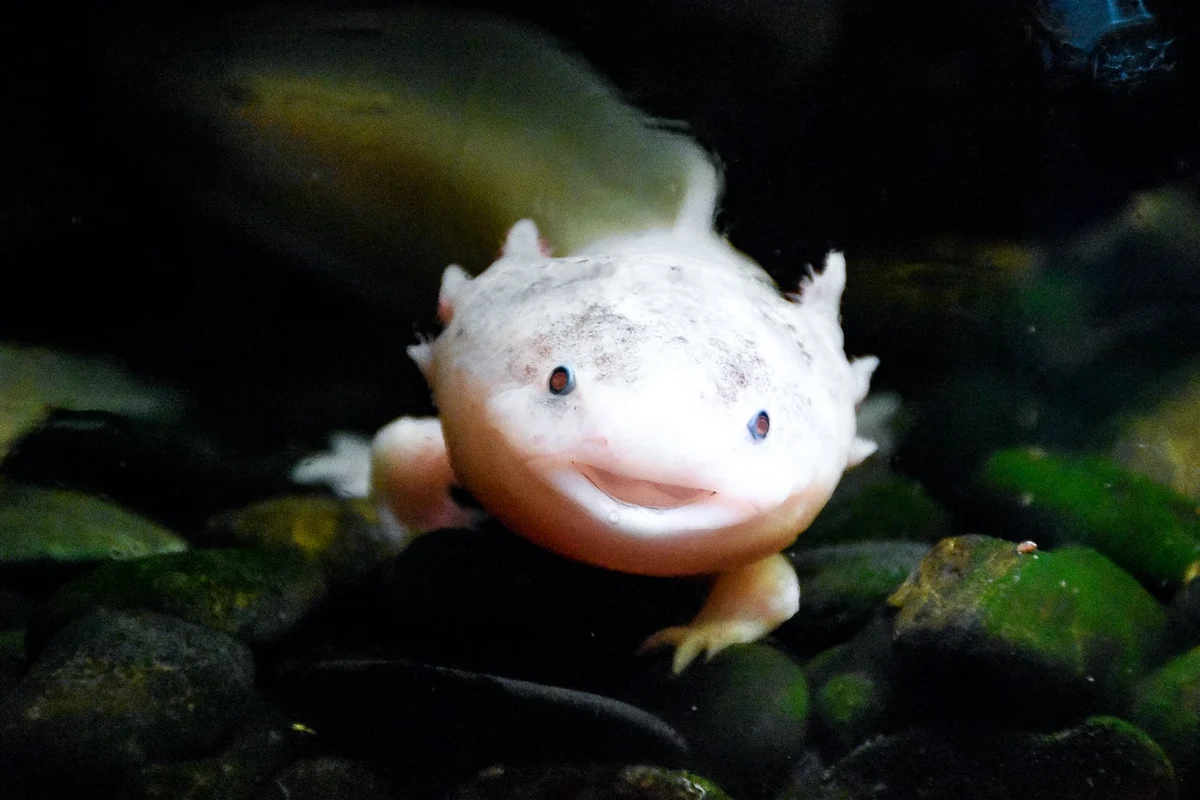
Axolotls And Regrowth
Axolotls (Ambystoma mexicanum) can restore complex body structures after damage, including limbs and portions of the tail and spinal cord. Regrowth is not a simple “replacement” like swapping a part; it involves wound healing, formation of a regeneration blastema, and rebuilding tissues in a coordinated sequence. In research settings, investigators track changes in gene expression and cell behavior over days to weeks to map how the process unfolds. For readers, the practical takeaway is that regeneration depends on the animal’s developmental state, the type of tissue injured, and the quality of the wound environment.
After an injury, axolotls form a specialized mass of proliferating cells called a blastema at the wound site. Cells in the blastema then differentiate into multiple tissue types, including muscle, cartilage, and connective tissues, which is why the outcome can look like a limb rather than a scar. The process also includes remodeling of nerves and blood vessels so the regrown structure can function. The timeline varies by injury location and size; a small limb injury may progress faster than a large one, and spinal cord outcomes depend on injury severity.
Regeneration is often discussed alongside “dedifferentiation,” where mature cells revert to a more plastic state. Evidence from lineage-tracing studies in amphibians supports that multiple cell sources can contribute to the blastema, though the exact contribution patterns differ by tissue. Some cells near the wound may proliferate directly, while others may change their gene programs after injury. This is one reason axolotl regeneration is studied as a system-level phenomenon rather than a single pathway.
Main Misconceptions And Dependencies
People often assume axolotls regrow anything, instantly, and without constraints. In reality, regeneration capacity varies with the injury type and the animal’s health, and the outcome can include incomplete patterning or scarring when conditions are unfavorable. Another common misconception is that regeneration means “no immune involvement.” Axolotls still mount immune responses, but the balance of inflammation and tissue remodeling differs from typical mammalian healing.
Regrowth also depends on wound conditions. If the wound becomes infected or repeatedly traumatized, the blastema can fail to form or can form poorly. Water quality matters because axolotls are aquatic and their skin and gills are exposed continuously; ammonia and nitrite spikes can stress tissues and disrupt healing. Even mild mechanical stress, such as rough handling or frequent disturbance of the wound area, can shift the healing trajectory toward scar-like repair.
Supporting technologies and research tools shape what scientists know. Lineage tracing uses genetic markers to follow cell contributions, while transcriptomics measures which genes turn on during blastema formation. Imaging methods, including microscopy of tissue sections, help map how cartilage and muscle organize as regeneration proceeds. In pet contexts, owners often rely on visual observation and water testing kits; those tools can track environmental stressors, but they cannot measure blastema formation directly.
One more dependency is developmental stage. Juvenile axolotls generally regenerate more readily than older animals in many husbandry reports, though published comparisons vary by study design. If you see claims that age has no effect, treat them as oversimplifications. The same caution applies to claims that “any cut will regrow perfectly,” because injury geometry and severity influence outcomes.
What To Do For Reliable Regrowth
Control Water And Stress
For pet owners, the most actionable lever is the wound environment. Maintain stable water parameters and avoid spikes in ammonia and nitrite; many keepers aim for near-zero ammonia and nitrite because these compounds damage tissues and impair healing. Use a reliable liquid test kit and record results daily during the first week after injury; on one occasion I saw a keeper’s “mystery decline” traced to a nitrite rise that only appeared after a filter media change. If you use a sponge filter, check that flow is gentle enough not to batter the wound area.
Temperature also affects metabolism and immune signaling. Many axolotl keepers keep water in the cooler range used for axolotls, because higher temperatures can increase stress and reduce oxygen availability in water. If you are unsure of a target range, consult species-specific husbandry references and your local veterinary guidance. During recovery, reduce handling and avoid moving the animal between containers unless necessary for safety.
Minimize Trauma And Infection
Regeneration requires a clean wound edge and stable conditions long enough for a blastema to form. In practice, that means preventing repeated rubbing against substrate and removing sharp objects that can re-injure tissue. Use smooth, inert surfaces and consider a bare-bottom setup for the recovery period; it reduces abrasion, though it can also stress some animals if lighting and hiding options are poor. If you observe persistent cloudiness, foul odor, or visible tissue necrosis, treat it as a medical issue rather than “normal healing.”
Antimicrobial treatments in aquariums are not one-size-fits-all. Some products can harm beneficial bacteria in filters or irritate tissues. If a veterinarian prescribes medication, follow dosing instructions precisely and confirm compatibility with your filtration setup. Owners sometimes skip this step and then wonder why the animal’s condition worsens after treatment.
Track Healing With Simple Checks
Owners can track progress with consistent, low-disturbance observations. Photograph the wound site from the same angle and distance every 2–3 days; this helps distinguish gradual tissue changes from lighting artifacts. Measure regrowth indirectly by noting changes in limb length, digit formation, or the appearance of a rounded wound cap. In my experience reviewing hobby logs, people often describe “it looks better” without recording dates, which makes it hard to interpret whether improvement is real or just day-to-day variation.
Also monitor behavior and respiration. Axolotls breathe through gills and skin, so reduced gill movement, lethargy, or loss of appetite can signal that the animal is fighting stress rather than progressing through regeneration. If the animal stops eating for more than a short window, seek veterinary input.
Use Evidence-Based Expectations
Regrowth outcomes are not guaranteed. Even when blastema forms, patterning can be imperfect, and some injuries lead to partial restoration. The literature supports regeneration of complex structures, but it also shows limits: the size of the injury, the tissue type, and the timing of supportive conditions all influence results. For pet owners, a realistic expectation is gradual improvement over weeks, not overnight recovery.
When people compare axolotl regeneration to mammalian wound healing, they sometimes jump to conclusions about “turning on regeneration” in humans. The biology is more complex than a single switch, and translating amphibian regeneration to mammals faces major barriers, including differences in immune signaling, tissue architecture, and developmental programs. That gap matters because it shapes how you interpret headlines and social media claims.
Educational Case Examples
Case 1: Limb Injury With Stable Water
A 2-year-old axolotl experienced a partial forelimb injury after being housed with a rough decor piece. The owner moved the animal to a bare-bottom recovery tub, kept temperature stable, and used daily ammonia/nitrite checks. Over the next 10 days, the wound edges stopped worsening and the site developed a smoother appearance consistent with healing rather than ongoing necrosis. Over the following weeks, the owner observed gradual digit-like outgrowth, though the final shape was not identical to the original limb. The key lesson was that stable water and reduced mechanical irritation supported a healing trajectory that allowed regrowth to proceed.
Case 2: Repeated Disturbance Slows Recovery
A juvenile axolotl had a tail tip injury that initially looked like it was healing. The owner frequently moved the animal for “quick checks” and changed the water frequently without matching temperature and chemistry. The wound repeatedly reopened and developed persistent discoloration. After the owner switched to a low-disturbance routine—same temperature water changes, fewer handling events, and gentle filtration—the wound stabilized and a gradual improvement pattern returned. This scenario illustrates that regeneration depends on conditions staying compatible with blastema formation long enough for the process to progress.
Comparison Checklist For Regrowth
| Factor | Supports Regeneration | Common Failure Mode | What To Do |
|---|---|---|---|
| Water chemistry | Stable ammonia/nitrite near zero; consistent pH | Nitrite or ammonia spikes stress tissues | Test daily during recovery; adjust filtration slowly |
| Mechanical trauma | Smooth surfaces; minimal handling | Reopening wound edges | Use bare-bottom or inert smooth substrate |
| Infection control | Clean wound environment; no necrotic spread | Persistent discoloration, odor, or tissue loss | Seek veterinary guidance; avoid random dosing |
| Time course | Gradual change over weeks | No improvement after a reasonable period | Reassess wound and environment; consult a vet |
Common Mistakes That Mislead
One mistake is treating regeneration as a guaranteed outcome. Axolotls can regrow complex structures, but injury severity, age, and wound conditions can change results, including incomplete restoration. Another mistake is relying on “looks fine” without checking water chemistry; a wound can appear stable while underlying stressors continue to damage tissues.
People also overuse interventions. Frequent water changes with mismatched temperature, repeated handling, or unsupervised antimicrobial treatments can disrupt healing. Some owners remove the animal from water for extended periods during “inspection,” which can dry tissues and worsen outcomes. If you must inspect, keep it brief and return the animal to stable conditions quickly.
Finally, many claims online mix regeneration with normal healing. Scar-like repair can occur in some contexts, and partial regrowth can be mistaken for full regeneration. Distinguish between “wound closure” and “restoration of complex structure,” because those are different biological endpoints.
FAQ
Do Axolotls Regrow Limbs Every Time?
Axolotls can regrow limbs after injury, but outcomes vary with injury size, tissue type, animal health, and wound conditions. Some injuries lead to partial restoration or scar-like repair when conditions disrupt blastema formation.
How Long Does Axolotl Regrowth Take?
Regrowth typically unfolds over weeks rather than days, with early wound stabilization followed by blastema formation and later tissue differentiation. Exact timelines depend on injury location and severity.
What Water Conditions Matter Most During Healing?
Stable ammonia and nitrite levels are a primary concern because these compounds can damage tissues and impair recovery. Temperature stability and gentle filtration also influence stress and oxygen availability.
Can Infections Stop Regeneration?
Infections and ongoing tissue necrosis can prevent proper blastema formation and shift healing toward non-regenerative repair. Persistent discoloration, odor, or expanding damage warrants veterinary attention.
Does Regeneration Mean No Scar Tissue Forms?
Regeneration aims to restore structure, but scar-like components can still appear depending on injury context. The presence of a blastema and coordinated tissue rebuilding are better indicators than a single visual sign.
Author's Insight
Axolotl regeneration is best understood as a coordinated sequence: wound healing, blastema formation, and differentiation into multiple tissue types. Research evidence supports that different cell populations can contribute to the blastema, and that immune and inflammatory signals differ from typical mammalian repair. Translating these mechanisms to human medicine remains difficult because mammalian tissues and immune responses follow different developmental and healing programs. For readers, the most reliable interpretation is to treat axolotl regeneration as a biological system with constraints, not a universal “repair button.”
Key Takeaways
- Axolotls can regrow complex structures through blastema formation and coordinated tissue rebuilding, usually over weeks.
- Regrowth depends on injury type, animal health, and wound environment, especially water stability and reduced mechanical stress.
- Scar-like repair and incomplete restoration can occur when conditions disrupt the regenerative sequence.
- Pet owners can improve outcomes by controlling water chemistry, minimizing handling, and seeking veterinary help when infection signs appear.